Why Competing Is Good for Kids (in the Right Club)
Kanvas Academy · 26 October 2026 · 4 min read
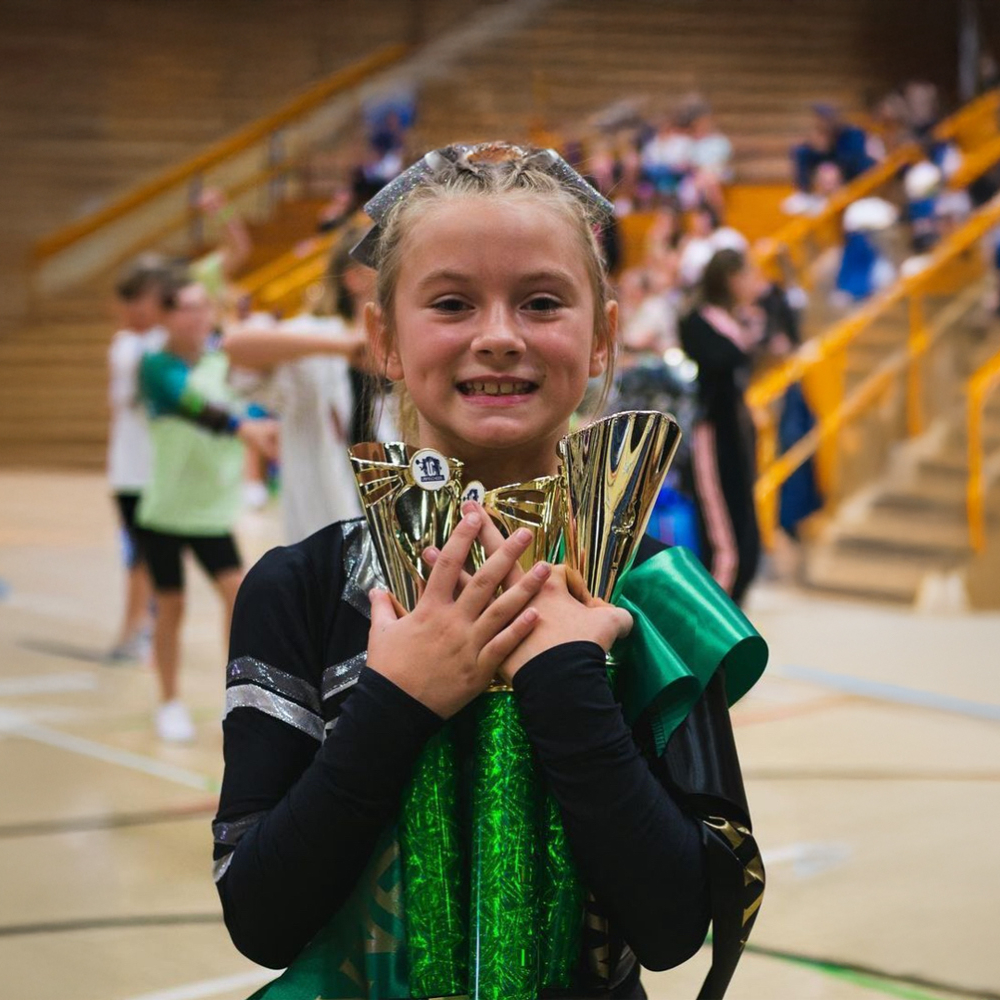
Competing in dance or cheer is good for children when it happens in a supportive environment. It gives them a goal to work towards, teaches them to perform under pressure, helps them handle both winning and losing, and builds a real sense of belonging to a team. What makes the difference is the club: the focus should be on effort, progress and enjoyment, not just trophies.
Here's what competing teaches, what a competition day is actually like, and what to look for in a club.
What competing teaches children
Working towards a goal
A competition date on the calendar changes how children train. Suddenly every class counts, and they can see their routine getting sharper week by week. Learning that steady practice leads to a result they're proud of is a lesson that lasts far beyond dance.
Performing under pressure
Walking out in front of judges and a crowd is nerve-racking, and that's the point. Children learn that nerves are normal, that they can feel them and perform anyway, and that the feeling afterwards is amazing. That experience helps with exams, presentations and every new challenge that follows.
Handling results, good and bad
Not every competition goes to plan. In a supportive team, a disappointing result becomes a chance to talk about what went well, what to work on and how to go again. Children learn to win graciously, lose well and keep going, which might be the most valuable thing sport teaches.
Belonging to a team
Cheer and dance teams depend on everyone. Nobody can hit their part of the routine alone, so teammates learn to rely on and encourage each other. The friendships made on competition days, travelling together, warming up together and cheering on other teams, are often the strongest ones.
What is a dance or cheer competition day like?
For most families it's a full and very exciting day out:
- Arrival and registration, usually in the morning at a leisure centre or arena.
- Warm-up, with the coach, to settle nerves and run through the routine.
- Performance: a routine lasting a few minutes, judged on things like technique, timing, difficulty and showmanship.
- Watching other teams, which is half the fun and a great way to learn.
- Awards, where every team is cheered on.
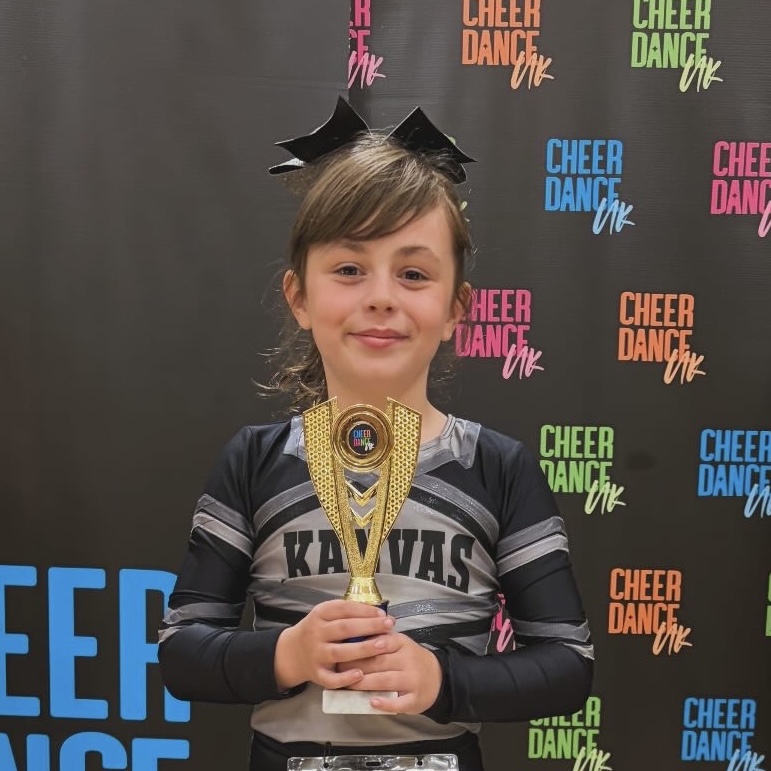
Our cheer teams compete at Cheerdance UK competitions across the North, including Darlington, Newton Aycliffe, Penrith, Leeds and Scotland, and our street dancers have hip hop competitions too. Families can come and watch: tickets are on our events page.
Is competitive cheer and dance safe?
With good coaching, yes. The main things that keep competing healthy are proper warm-ups, routines that match each child's ability, sensible training loads and coaches who put children's wellbeing ahead of results. Cheer dance routines don't involve the stunting and tumbling that carry the most risk in all-star cheer.
What does a supportive club look like?
Competition can be brilliant for one child and miserable for another, and the club makes most of the difference. Look for:
- Coaches who praise effort and progress, not only placings.
- Every child valued, whatever their level.
- Competing that's a choice, not a condition of being in the club.
- Honest, kind feedback after every competition, whatever the result.
- Parents kept informed about dates, costs and what's needed, well in advance.
Warning signs are the opposite: children afraid to make mistakes, a focus only on winning, or pressure to train through pain.
How competing works at Kanvas Academy
Every dancer starts in our weekly classes, where the focus is on learning, enjoying it and building confidence. When dancers are ready and want to, they can compete with the team. Coach Talia leads our cheerleading programme and Coach Marshal leads street dance, and both put effort, teamwork and enjoyment first.
For competitions our cheerleaders usually need the uniform, poms and bow, alongside their class T-shirt. We'll tell you exactly what's needed before your child's first competition.
Quick answers
What age can children start competing in cheer or dance?
Many competitions have categories from around age four or five. What matters more than age is that the child is enjoying classes and wants to perform.
Does my child have to compete?
Not at Kanvas Academy. Competing is there for children who want it, and many simply enjoy their weekly classes.
Can family come and watch competitions?
Yes. Spectator tickets for the competitions our teams enter are sold on the Kanvas Academy events page.
Come and try a class. The first one's free.
Beginners welcome, ages 4 and up, at our studio in Wallsend.
Book a Free Trial